
As more children around the world than ever before are affected by conflict, Imperial War Museums (IWM) opens the UK’s first dedicated exhibition exploring how war affects and shapes young lives.
Opening at IWM London, Childhood in War (31 July 2026 – 28 February 2027) is IWM’s major summer exhibition, revealing the impact of conflict on children from the First World War to the present day and helping visitors understand war from a child’s perspective. Appealing to both families and adult visitors, the exhibition highlights the impact of war on day-to-day life, from play and schooling to health, home life and safety.
With over 450 million children – more than one in six globally* – now living in areas affected by conflict, it is impossible to understand the true impact of war without knowing their stories. The exhibition includes personal testimonies of hope, danger and perseverance alongside interactive and hands-on experiences, from a large-scale evacuee train carriage to recreations of 20th century wartime games.
As visitors journey through Childhood in War, they will step into immersive recreations of historic rooms, see objects displayed for the first time and encounter items and stories shared by leading child rights organisations including UNICEF, Right to Learn Afghanistan and War Child. These include a UNICEF photo of nine-year-olds Alina and Artem in an underground car park which serves as a bomb shelter in Ukraine.
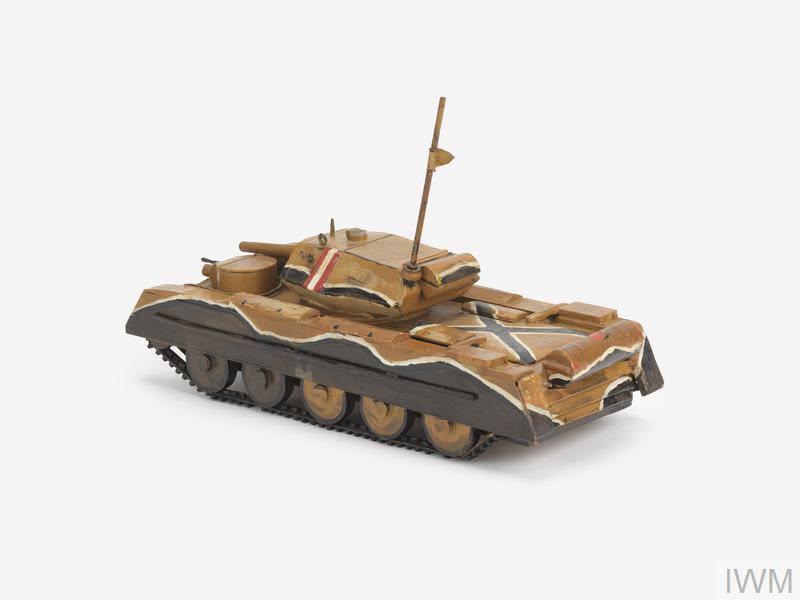
The exhibition will help families understand and discuss conflict and also appeal to young people and adults interested in the lives of children affected by war. A full programme of events and activities will accompany the exhibition, including a family story festival in October half term. The UN Convention on the Rights of the Child states that every child has the right to play, but in war this is often impossible. Visitors will step into a recreated Second World War bedroom to explore how children have continued to play during wartime, and why play has remained so important in moments of conflict. On display are powerful personal stories, including a teddy bear still treasured by Holocaust survivor John Hajdu, given to him by his parents when he was three years old and his constant companion throughout the horrors of the Holocaust. Families will also be able to play wartime games and learn about the sinister side of play, by exploring the indoctrination of the Hitler Youth and the Soviet Union’s KOMSOMOL movement.
Visitors will board a Second World War train carriage to discover the experiences of evacuees, with letters sent home and newly recorded video testimony. Further on, objects carried by children on the Kindertransport include a red knitted jumper belonging to Jochewet Heidenstein, given to her by her parents shortly before she and her sisters departed for the UK.
A Cold War-era living room and kitchen illustrates how children’s homes and health are impacted by conflict, with a period television showing a public awareness film and a rotary phone playing oral histories. A ‘make do and mend’ activity invites children to design their own toys, while letters, photographs and messages show how military families stay connected.
Children’s books
The experience of children in wartime has influenced popular culture by capturing the imagination of writers. Throughout the exhibition, there will be a focus on much-loved children’s books set in wartime, with a literary trail for children to engage with the stories of fictional characters created by authors including Dame Jacqueline Wilson and Deborah Ellis. A Second World War classroom will highlight how children’s education is affected by conflict, with posters and comics from Northern Ireland, Afghanistan and the former Yugoslavia warning about the dangers of objects like explosives and mines.
Contemporary stories
These historical experiences are explored alongside contemporary stories and quotes from Afghanistan, Ukraine and Sudan. A poem by a 15-year-old girl describes the feelings of panic and fear when the Taliban took control of Kabul on 15 August 2021: “I witnessed how that day darkened not only Kabul’s sky, but also the dreams and hopes of so many”. Childhood in War concludes by exploring how children have expressed the impact of conflict in their own words and images, through drawings, poems and letters. Drawings by three children from Sudan show their homes being attacked. They were collected by NGO Waging Peace and used as evidence of war crimes at the International Criminal Court. Poems written by young people in Ukraine as part of UNICEF’s Poems for Peace initiative include one boy’s poignant longing for a future free from war: “Peace, it’s not just words to me. It’s when no sirens sound and I’m free…where normal childhood we can live through”.
This yearning for a better future was also felt by young people across the UK who voted for “peace” as their Oxford Children’s word of the year in 2025. Craig Murray, Lead Curator of Childhood in War, said: “Children’s voices and experiences of conflict matter. Their stories offer us a unique perspective on the impact of war. By providing a hands-on exploration of childhood through conflict, Childhood in War offers a space for families to reflect, learn and discuss difficult topics together in a world increasingly torn apart by conflict.”
Anne-Claire Dufay, UNICEF Representative to Ukraine said: “In Ukraine, the war has devastated childhood. The physical and mental toll is immense and exacerbated by disrupted education, loss of family and friends, and young lives that have moved underground to stay safe.
The experiences and stories shared by children, young people and families reveal the horrific reality of war, but also the hope that pervades, reminding us all why protecting childhood must be prioritized.” Childhood in War opens at IWM London on 31 July 2026 and is free to visit.