
A’Lelia Bundles, Great-Great-Granddaughter of Madam C.J. Walker, Among Featured Speakers
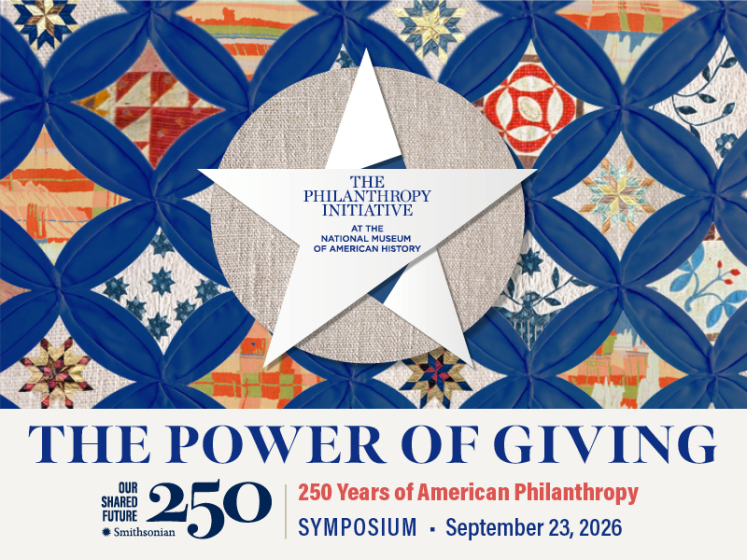
The National Museum of American History’s “Power of Giving” symposium Wednesday, Sept. 23, will convene historians, thought leaders in philanthropy and Smithsonian curators for a series of conversations reflecting on 250 years of American philanthropy with an eye to the future. A highlight event of the museum’s celebration of America’s 250th, this program explores how Americans have come together to effect change by strengthening communities, supporting cultural institutions, fostering civic engagement and driving social impact.
The free afternoon symposium is scheduled from 1:30 p.m. to 6 p.m. ET in the museum’s Warner Bros. Theater and via livestream. Registration is required.
“As we mark 250 years of United States’ history, ‘The Power of Giving’ invites us to reflect on one of our nation’s most enduring traditions: the belief that ordinary people can join together to improve their communities and expand opportunity for others,” said Anthea M. Hartig, the Elizabeth MacMillan Director of the National Museum of American History. “Philanthropy has helped Americans build schools, libraries, museums, civic organizations and movements for social change. This symposium explores the many ways generosity has shaped our past and considers how it can help strengthen our democratic and civic life for generations to come.”
The Symposium’s Four Panel Discussions
Women, Philanthropy & American Social Reform
Following remarks by Hartig, the museum’s first woman director, the symposium opens with the panel discussion. Amanda B. Moniz, the museum’s David M. Rubenstein Curator of Philanthropy, will moderate a conversation with Louise W. Knight, author and biographer, Northwestern University, and Shannen Dee Williams, associate professor of history, University of Dayton. Through stories of Isabella Graham’s charitable activities, Sarah and Angelina Grimké’s abolitionist advocacy, Jane Addams’ work at Hull House and the institution-building leadership of Black Catholic sisters, the panel will explore how women advanced social reform by mobilizing resources, expertise, advocacy and leadership.
Stewarding the Philanthropic Legacy of Madam C.J. Walker & A’Lelia Walker
The second panel discussion will feature Nicholas A. Tedesco, president and CEO of the National Center for Family Philanthropy, in conversation with A’Lelia Bundles, Madam C.J. Walker’s great-great-granddaughter and a journalist, biographer and founder of the Madam Walker Family Archives. Through complementary forms of giving from the early 20th century through the Harlem Renaissance, Madam C.J. Walker and her daughter A’Lelia Walker collectively advanced education and civil rights while fostering artistic and intellectual communities through philanthropy, activism and civic leadership. Bundles will discuss stewarding their legacy and the enduring power of generosity to inspire new generations of changemakers.
Sustaining What Defines Us: American Culture & Philanthropy
The third panel discussion will feature Hartig in conversation with two of the country’s foremost cultural philanthropists: David M. Rubenstein, Smithsonian Regent Emeritus and co-founder and co-chairman of The Carlyle Group, and Oscar L. Tang, private investor. Throughout the nation’s shared history, philanthropic support has helped preserve its cultural heritage, expand public access to the arts and strengthen institutions that foster learning and civic identity. This conversation examines the vital role donors and cultural leaders play in safeguarding museums, archives, public history and artistic expression. Panelists will consider how philanthropy helps connect Americans to a shared past while creating opportunities for future generations.
Philanthropy & the American Civic Future
The last panel of the afternoon will feature James M. Ferris, director of the USC Center on Philanthropy and Public Policy, who will lead a discussion with philanthropy strategist Cecila A. Conrad, CEO of Lever for Change, and activist philanthropist Melanie Lundquist, co-founder and board vice chair, Partnership for Los Angeles Schools, and a board member of the News Literacy Project. Looking to the nation’s next 250 years, philanthropy’s civic role is most clearly seen in American communities through private action for the public good—where there is a generosity of spirit expressed through donations of money, time and talent for stronger, more connected and resilient communities. This conversation with active practitioners will consider how philanthropy can most effectively help shape the country’s civic future.
During a break, symposium attendees can explore two related museum exhibitions: the “Giving in America” display, featuring selected letters from the Giving Pledge, a commitment by some of the world’s wealthiest individuals and families to give the majority of their wealth to charitable causes, and “In Pursuit of Life, Liberty & Happiness,” an immersive museum-wide exhibition featuring 250 objects that explore how Americans have come together to create change. Highlights include Thomas Jefferson’s portable desk (1776), used to write the Declaration of Independence, and the Star-Spangled Banner (1813).
“The Power of Giving” is made possible by David M. Rubenstein, whose foundational support with the Gates Foundation launched the Philanthropy Initiative in 2015.
Through incomparable collections, rigorous research and dynamic public outreach, the National Museum of American History seeks to empower people to create a more just and compassionate future by examining, preserving and sharing the complexity of our past. The museum, located on Constitution Avenue N.W., between 12th and 14th streets, is open daily except Dec. 25, between 10 a.m. and 5:30 p.m. Admission is free. The doors of the museum are always open online and the virtual museum continues to expand its offerings, including online exhibitions, PK–12 educational materials and programs. The public can follow the museum on social media on Instagram and Facebook. For more information, go to https://americanhistory.si.edu. For Smithsonian information, the public may call (202) 633-1000.