
Visitors Invited To Celebrate and Reflect on Connections Spanning US Represented in the National Museum of Natural History’s 148 Million Object Collection
The Smithsonian’s National Museum of Natural History will open its new exhibition, “From These Lands: Sharing Our Natural and Cultural Heritage” Thursday, June 18. Stretching across 5,000 square feet, the exhibition invites visitors to celebrate and reflect on the nation’s rich natural and cultural heritage through more than 600 specimens and cultural objects—many rare and never-before-exhibited—from across all 50 states, the District of Columbia and five U.S. territories. It will be on view through December 2029.
Drawing from the museum’s unparalleled collection of more than 148 million objects, the exhibition will highlight items that showcase the remarkable range of American nature, geology and cultural traditions. From ancient fossils and dazzling minerals to cherished cultural belongings and groundbreaking scientific discoveries, “From These Lands” illuminates the many connections between people, places and the natural world that can help visitors understand the nation’s past, interpret the present and plan for the future.
“This exhibition brings the entire country into one gallery—letting visitors encounter the extraordinary breadth of America’s natural and cultural heritage,” said Kirk Johnson, the Sant Director of the National Museum of Natural History. “As the country marks its 250th anniversary, ‘From These Lands’ presents an opportunity to celebrate the diversity of our landscapes, the depth of our history and the connections that link people and the natural world across borders.”
Curated from collections selected by each of the museum’s seven research departments, the objects on view will weave regional stories into recurring themes that show how natural history collections reveal unexpected connections, inspire wonder, spark conversation and generate knowledge.
“Natural history is everything—it is the people around us, the food we eat and the ground we walk on,” said Torben Rick, co-curator of the exhibition and curator of North American archaeology at the museum. “At its core, this exhibition is about connection. Visitors come to the National Museum of Natural History and get a chance to see themselves reflected in its stories.”
“When you look at the natural history of the United States, you’re seeing a story that stretches back hundreds of millions of years,” said Stewart Edie, co-curator of the exhibition and curator in the museum’s Department of Paleobiology. “The fossils and specimens in this exhibition show how life and landscapes have changed through deep time, from the ancient seas that once covered much of the country to the ecosystems we know today.”
Rarely seen specimens and cultural objects bring America’s story to life, including a brilliant blue gemstone from California rarer than gold and a Northern bobwhite collected by a young Theodore Roosevelt in New York. The exhibition highlights science in action, from feather fragments used to identify bird species involved in airplane strikes to the story of efforts to reintroduce sea otters to the Oregon coast. “From These Lands” will also explore the enduring ties between people and place, from the fishing practices of the Pamunkey Indian Tribe and African American oyster harvesting communities on the Chesapeake Bay to the artistry and stewardship behind traditional Samoan bark cloth.
The exhibition will include interactive multimedia experiences that visitors can also explore. “Connected by Nature,” a series of dynamic, projected map animations, will reveal how the United States is interconnected across geographic boundaries through shared natural features. A state symbols interactive will allow visitors to design and send digital postcards with photographs of official state flowers, birds, rocks, fossils and more, creating their own connections to the stories and objects on view.
Several themes, sections and displays presented in the exhibition highlight different ways of understanding and relating to the natural world:
- I Wonder: Spark curiosity by asking “What is this?” Objects can be more than one thing at once—like a fossilized crocodilian egg from Wyoming that is also a quartz crystal geode.
- Dazzling Diversity: From an array of pinecones and insects across the country to a hotspot of salamander and freshwater fish species in Appalachia, biodiversity across the United States tells stories of adaptation, abundance and regional identity.
- Rocky Road Trip: America’s landscapes reveal a deep geologic history, and features from meteor craters to glacial lakes link familiar places to the ancient forces that shaped them.
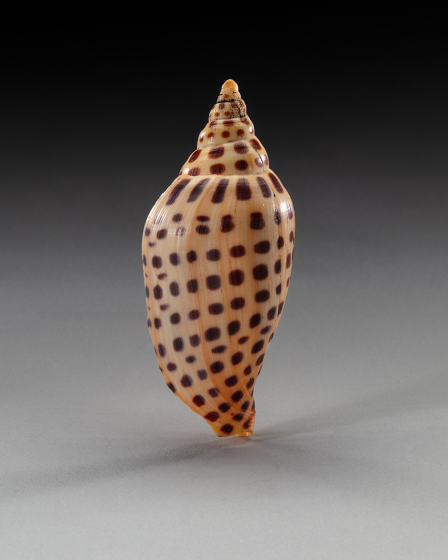
- State Symbols: Every state, district and territory has plants, animals and minerals that represent their unique character, from birds, flowers and shells to rocks, gemstones and fossils. Displays feature objects representing state symbols throughout the exhibition, and a standalone case also highlights many state symbol objects from across the country.
- Linking Nature and Culture: From tusk carvings representing the strong ties between Arctic walruses and Alaska Natives to freshwater mussels from Iowa that once supported a thriving button-manufacturing industry, human cultures are shaped by their environment and shape nature in turn. Relationships between people and the natural world evolve together, illustrating how culture, environment and knowledge are woven into shared stories.
- Documenting Diversity: Museum collections, through historic and modern specimens, trace change over time, revealing species lost, species recovering and shifting baselines.
- Enduring Relationships, Legacies and Traditions: From rattlesnake motifs in Choctaw traditional dress to a dugout canoe highlighting the Menominee Indian Tribe of Wisconsin’s sustainable forestry practices, stories from Indigenous communities and cultures are featured throughout the exhibition, sharing cultural heritages reflected in the museum’s collections.
- Eureka!: The museum is always making new discoveries, including a forgotten fossil tooth from California—rediscovered in a collection drawer—that revealed that the ancient hippo-like mammal was millions of years older than once thought.
- Restoring Relationships: Collaborations between the museum and Indigenous communities and cultures centered on cultural objects, like a Tlingit ceremonial hat, show how they can together safeguard heritage and renew living practices with care and respect.
- Constant Change: Much of today’s United States was once underwater. Fossils of iridescent ammonites, ancient corals and sea stars remind visitors that the Earth is constantly changing.
- Ancient Lineages: Ancient animal lineages, such as paddlefish and tortoises, endure, and their fossils trace deep evolutionary roots in the country.
- Ways of Seeing: From fossil preparation to scientific illustration, the museum has many ways of investigating objects, often using new technologies to bring otherwise invisible characteristics to light.
- Restoration and Recovery: Stories of comebacks—from bison and beavers to sea otters and wild rice—underscore how science and community leadership can heal ecosystems and cultures.
- Caught in the Act: Fossils capture moments in time, offering a window into events that took place long ago, like an amphibian bone bed from New Mexico and a petrified tree from Arizona.
- Human Actions: Helpful or Harmful?: Human actions help some organisms and harm others; the exhibition presents how improved understanding of human impacts improves people’s ability to shape their world.
- Collections in the Digital Age: Digitization, 3D scanning and open data make specimens accessible beyond the museum—to all.
- Unexpected Uses: From analyzing aviation disasters to using herbarium specimens as botanical time machines, museum collections deliver insights that help address environmental issues.
To complement the new exhibition, the museum will host public programs throughout the year, including drop-in family playdates and adult programming giving visitors the opportunity to explore “From These Lands” themes through lectures, in-depth conversations or hands-on activities. Programming will kick off with an evening event on the diversity of sea shells, Thursday, April 30.
Additional offerings will include a companion book, From These Lands: Sharing Our Natural and Cultural Heritage, which will be published leading up to the exhibit opening. Available in seven languages, a print-on-demand, DIY exhibition toolkit will explore North American biomes and highlight the diversity of species, colors and shapes in the museum’s collections. An online version of the exhibition will also be available on the museum’s website.
“From These Lands” and related programming are part of “Smithsonian’s Our Shared Future: 250,” a Smithsonian-wide initiative supported by private philanthropy and created to commemorate the nation’s 250th anniversary and advance the Smithsonian vision for the next 250 years. The exhibition is made possible through the lead sponsorship of Esri, with major support from The Bill and Dianne Ryan Family, Amazon, MidFirst Bank and a generous group of donors sponsoring their states. See the full list of supporters on the exhibition’s webpage.
About the National Museum of Natural History
The National Museum of Natural History is connecting people everywhere with Earth’s unfolding story. It is one of the most visited natural history museums in the world. Opened in 1910, the museum is dedicated to maintaining and preserving the world’s most extensive collection of natural history specimens and human artifacts. The museum is open daily, except Dec. 25, from 10 a.m. to 5:30 p.m. Admission is free. For more information, visit the museum on its website, blog, Facebook, LinkedIn and Instagram.