
Events Include Hands-on Activities, Behind-The-Scenes Access, Expert Talks and More
The Smithsonian will celebrate Earth Month throughout April with free in-person and virtual programming across its museums and research centers. Visitors of all ages can explore the wonders of the natural world through scientific demonstrations, cultural programs, artistic experiences and hands-on learning opportunities. All events are free, but some require advance registration. A full schedule can be found online.
Tea, Plastic and Performance in the Global Pacific
National Museum of Asian Art
Tuesday, April 7; noon–1 p.m.
What can a tea ceremony teach people about ocean plastic pollution? Quite a lot, according to the art and research collective Tea Ceremony with Pacific Plastics. In this webinar, founding members of the collective will share their diverse paths to chanoyu, the process of building a tea house from scratch, and how chanoyu’s philosophy of “creative reuse” and wabi-sabi (beautiful imperfection) can help address the plastic waste and pollution crisis. Registration is required.
Conservation Classroom: Saving Endangered Species
National Zoo
Wednesday, April 8; 2–3 p.m.
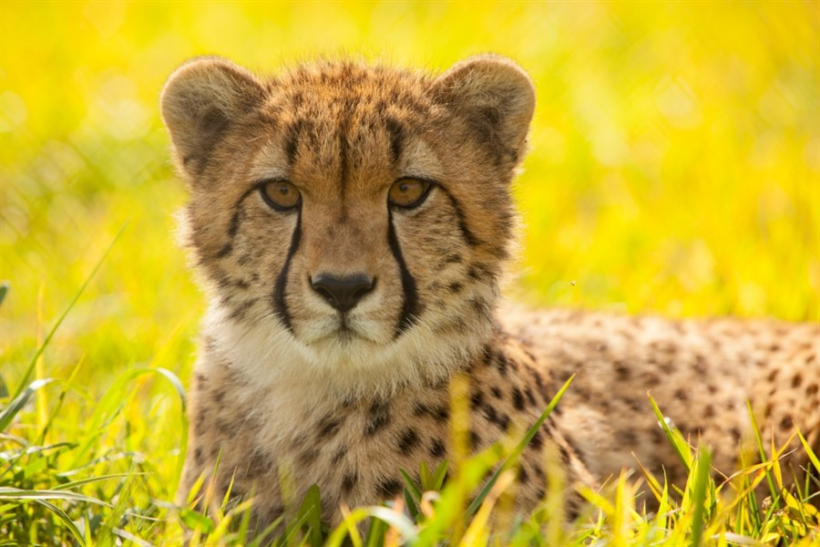
What does it mean when an animal is endangered and what can people do to help? Visitors can meet one of the National Zoo’s most endangered species and learn how staff care for these special animals. Registration is required.
Stamp Out Waste!
National Postal Museum
Saturday, April 11; 11 a.m.–3 p.m.
Visitors are invited to celebrate Earth Month with hands-on activities exploring how the Smithsonian’s National Postal Museum connects communities and how simple practices can reduce waste and encourage reuse.
Behind the Science
National Museum of Natural History
Tuesday, April 14; 6:30–8:15 p.m.
This monthly program invites participants behind the scenes with Smithsonian scientists and researchers who share insights into their latest research and explore the fascinating questions driving their work—from the origins of life to the future of the planet. Registration is required.
A Day Unplugged
Anacostia Community Museum
Saturday, April 18; 10 a.m.–2 p.m.
The Smithsonian’s Anacostia Community Museum will present A Day Unplugged, a family-friendly program inviting guests to slow down, reconnect with nature and celebrate the start of the growing season. Participants will learn the art of “Creating the Perfect Container Garden,” a hands-on workshop led by garden facilitator Derek Thomas, who will demonstrate how to grow vegetables, herbs and ornamental plants in small spaces. Register here.
Panel Discussion: Truman Lowe’s Artistic Legacy
National Museum of the American Indian, Rasmuson Theater
Saturday, April 18; 2–3 p.m.
Truman Lowe (Hoocąk, 1944–2019) is recognized for his minimalist sculptures of wood, feathers and other organic materials evoking the waters and woodlands of his homeland. The exhibition “Water’s Edge” brings together nearly 50 of the acclaimed artist’s sculptures, drawings and paintings to explore the key themes his work addressed. For this conversation, curator Rebecca Head Trautmann is joined by Lowe’s daughter Tonia Lowe (Hoocąk) and artist Michael Belmore (Anishinaabe), both contributors to the exhibition’s catalog, to discuss Lowe’s artwork and his lasting impact on Indigenous contemporary art.
A Case of Mistaken Identity: Blacktip and Spinner Shark Migrations (online)
Smithsonian Environmental Research Center (SERC)
Tuesday, April 21; 7 p.m.–8:30 p.m. ET
When people think of a shark, they might automatically picture a blacktip or spinner shark, since they are considered the quintessential shark species. These two species look so similar that many fishermen struggle to tell them apart. This misidentification has led to confusion about where each species goes during their migrations. In this webinar, SERC shark biologist Beth Bowers will highlight how she and her colleagues are tagging blacktip and spinner sharks. She will reveal how these tags are helping scientists understand the differences between the two species’ migrations, what environmental cues drive their movements and how this information can improve fishery management and conservation efforts. Registration is required to watch live or on demand.
Q?rius Open Late: Botany Specimen Preparation
National Museum of Natural History
Friday, April 24; 5 p.m.–7 p.m.
Visitors can step away from their screens and reconnect with nature by joining the museum for a fun-filled, educational evening celebrating the beauty of planet Earth with hands-on activities for all ages. Registration is required.
Living Earth Festival: “Always Becoming”
National Museum of the American Indian
Saturday, April 25, and Sunday, April 26; 11 a.m.–5 p.m.
Visitors can celebrate the transformational power of clay and the evolution of the museum’s iconic outdoor sculpture installation, “Always Becoming,” by Nora Naranjo-Morse (Santa Clara Pueblo). The museum will present a weekend of stories, artist demonstrations, hands-on activities, performances and more centered on the relationship between art and the Earth. The museum’s website has the schedules for both Saturday’s programs and Sunday’s programs.
An Evening with Elizabeth Hargrave: Sanibel Board Game Night
National Museum of Natural History
Thursday, April 30; 6:30 p.m.
Inspired by summer days shelling on the beach, the new board game Sanibel, from the maker of the viral board game Wingspan, offers a meditative look at nature. This after-hours event at the National Museum of Natural History will feature a conversation with game designer Elizabeth Hargrave and Smithsonian experts, opportunities to play the game in Sant Ocean Hall and a discussion about place-based connections to nature, the art and science of collecting and the biodiversity of coastal marine ecosystems. Museum paleobiologist Stewart Edie will moderate the conversation between Hargrave and museum research zoologist Chris Meyer. The program also connects to themes in the museum’s upcoming exhibition “From These Lands: Sharing Our Natural and Cultural Heritage” (opening June 2026). Registration is required.
About the Smithsonian
Since its founding in 1846, the Smithsonian Institution has been committed to inspiring generations through knowledge and discovery. It is the world’s largest museum, education and research complex, consisting of 21 museums, the National Zoological Park, education centers, research facilities, cultural centers, libraries and gardens. Two of the 21 museums—the National Museum of the American Latino and the Smithsonian American Women’s History Museum—are in the early planning stages. The total number of objects, works of art and specimens at the Smithsonian is about 157 million. To commemorate America’s 250th anniversary, the Smithsonian is hosting a full slate of special exhibitions, festivals and public events, including the completion of the National Air and Space Museum’s renovation, which opened to the public 50 years ago for the nation’s bicentennial.